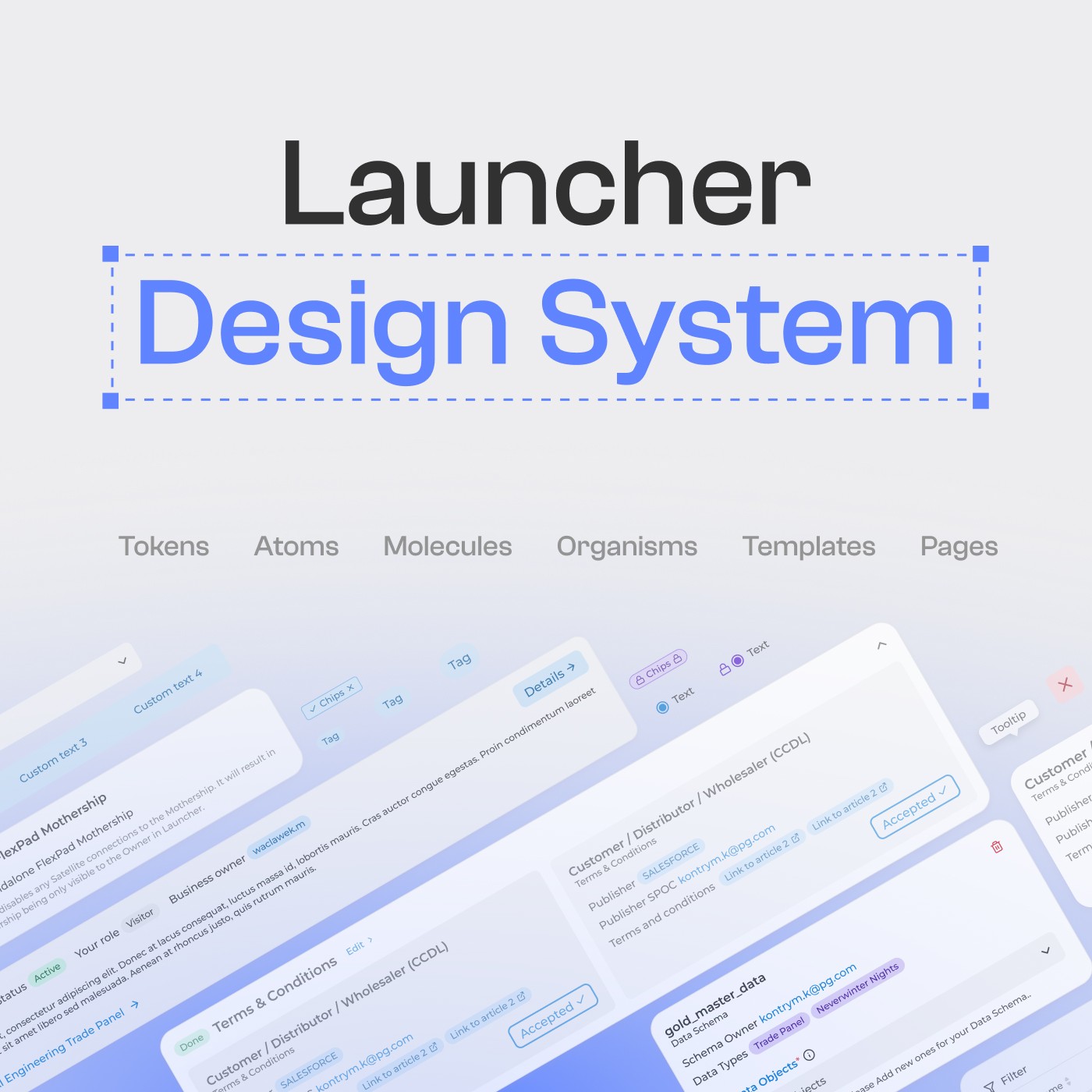
Launcher Design System
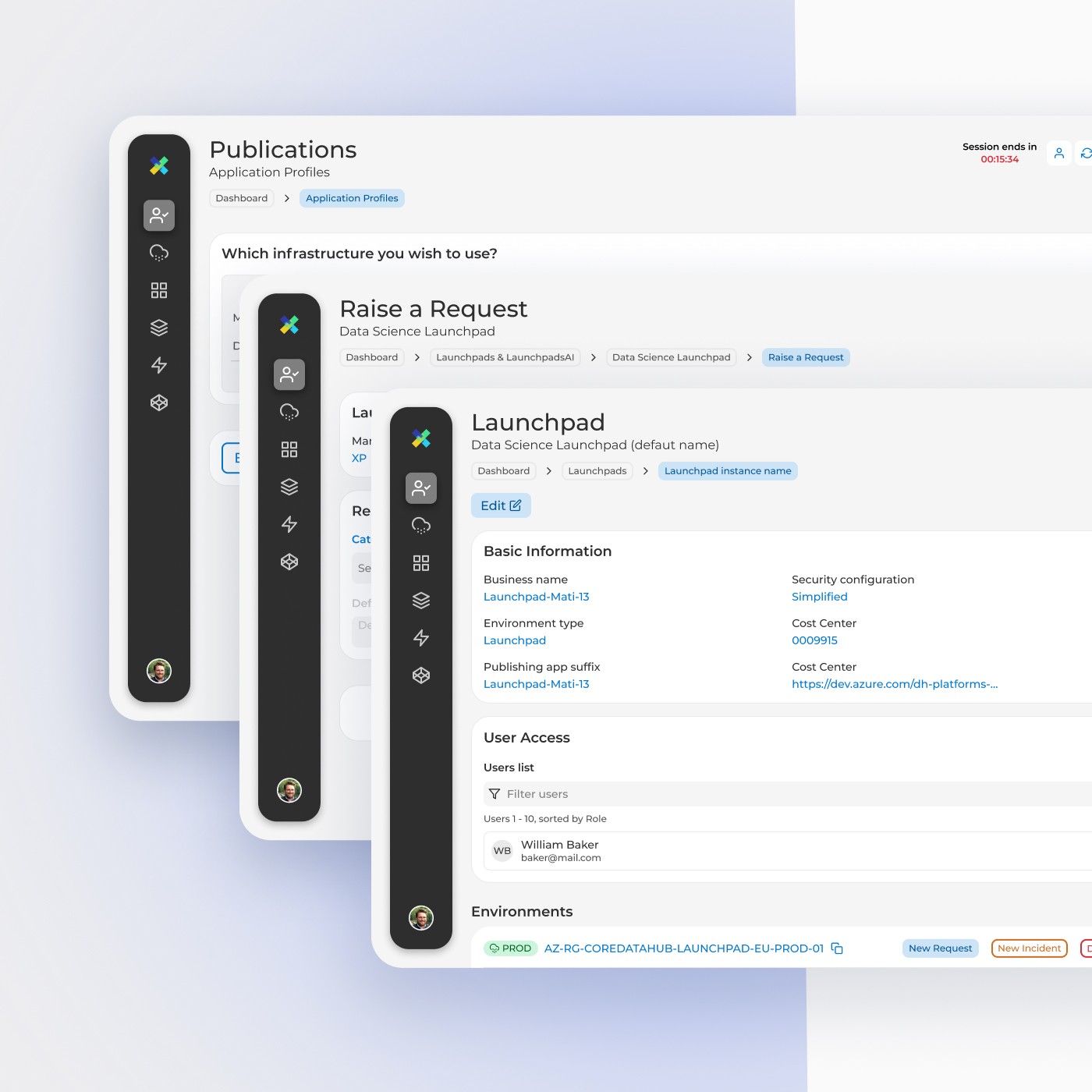
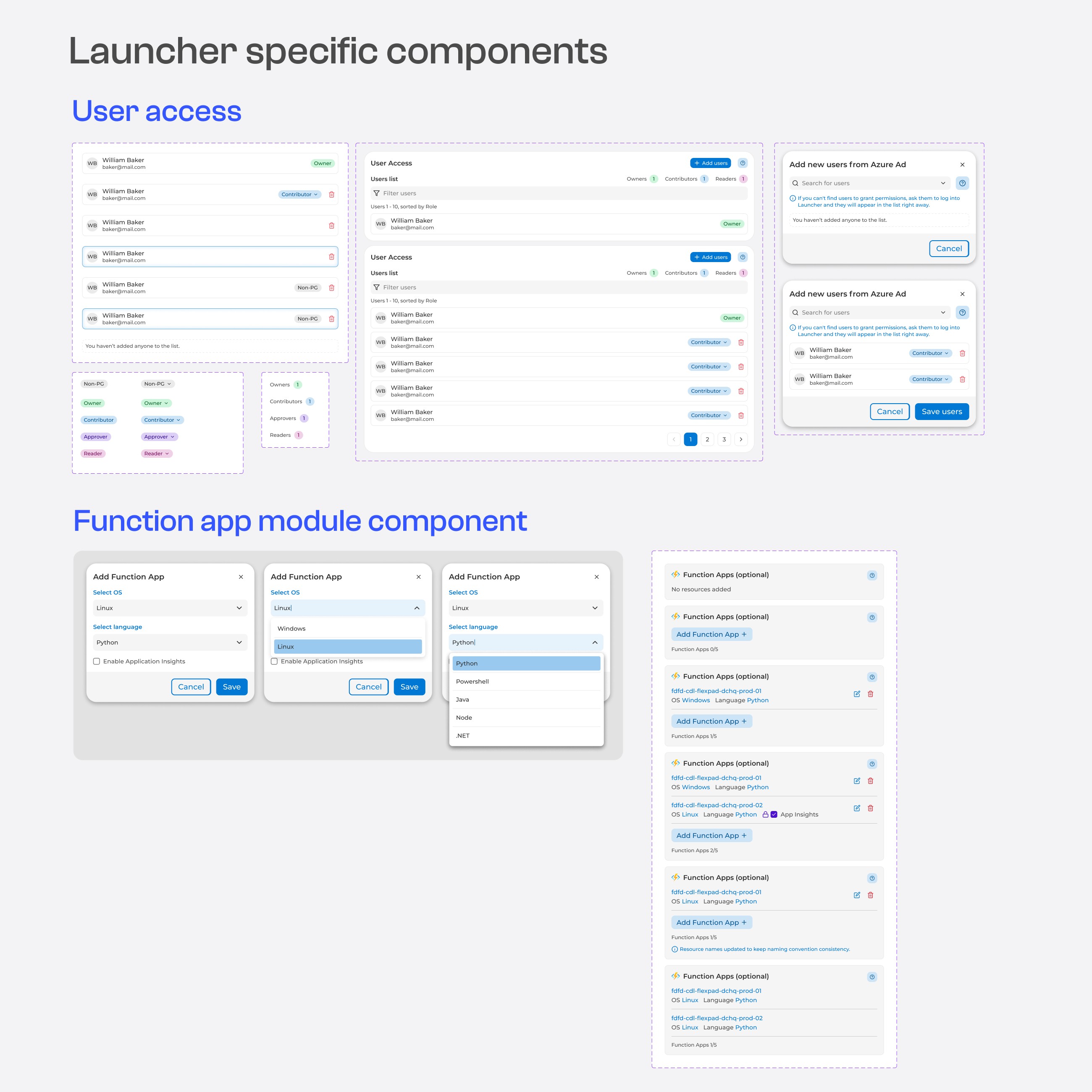
Designed and developed a scalable enterprise design system for Launcher — a complex platform supporting provisioning workflows, dashboards, AI-related features, and administrative tools. The system was created to unify fragmented user experiences, standardize UI patterns across teams, and establish a consistent foundation for future product growth.
Title
Industry
Date

Challenge
The Launcher platform had evolved rapidly across multiple internal initiatives, resulting in fragmented user experiences, inconsistent UI patterns, and growing complexity in both design and development workflows.
The challenge was not only to unify the visual language of the platform, but to establish a scalable design foundation that could support future product growth, improve cross-team consistency, and accelerate delivery without sacrificing flexibility.
Approach
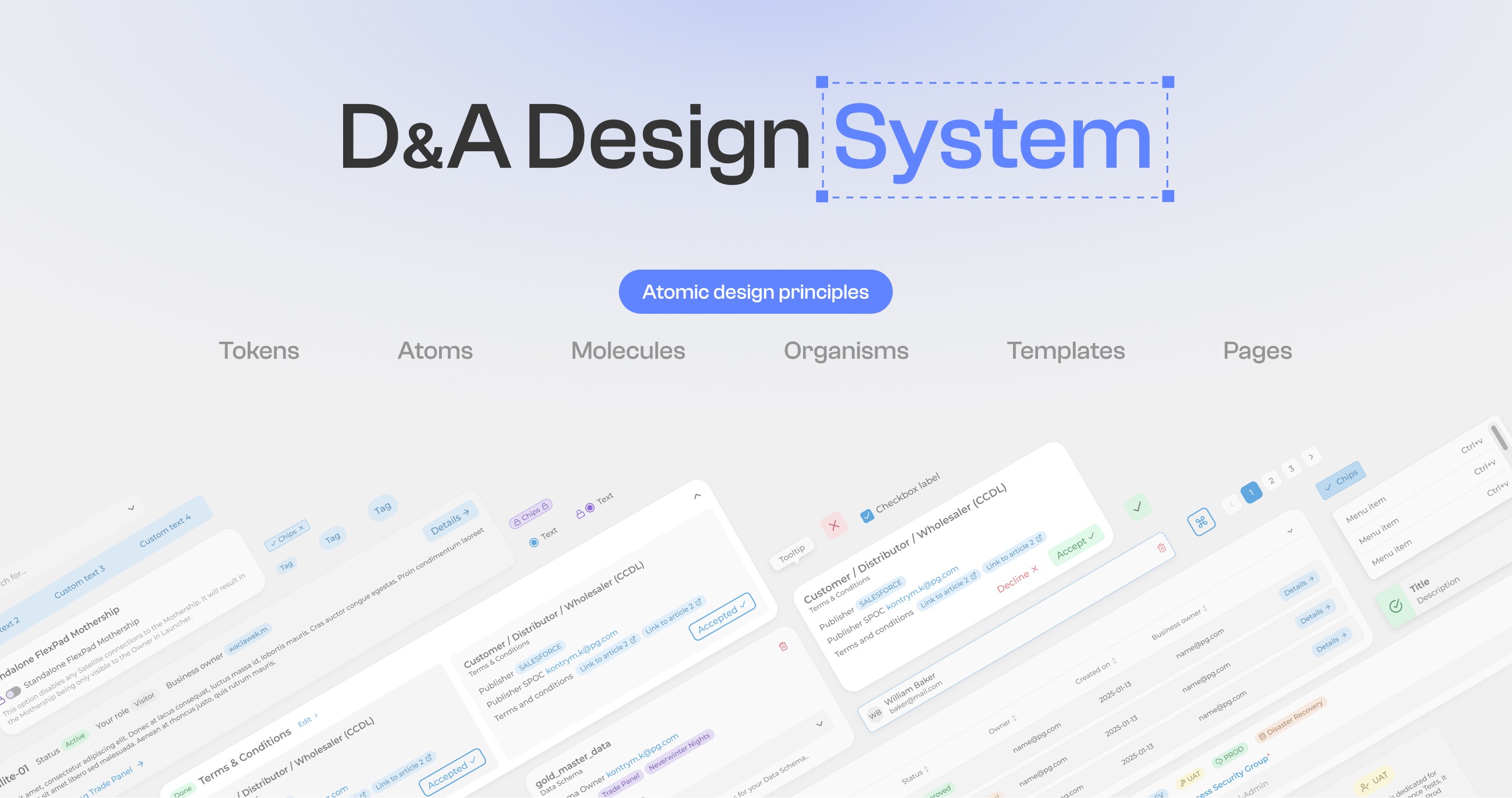
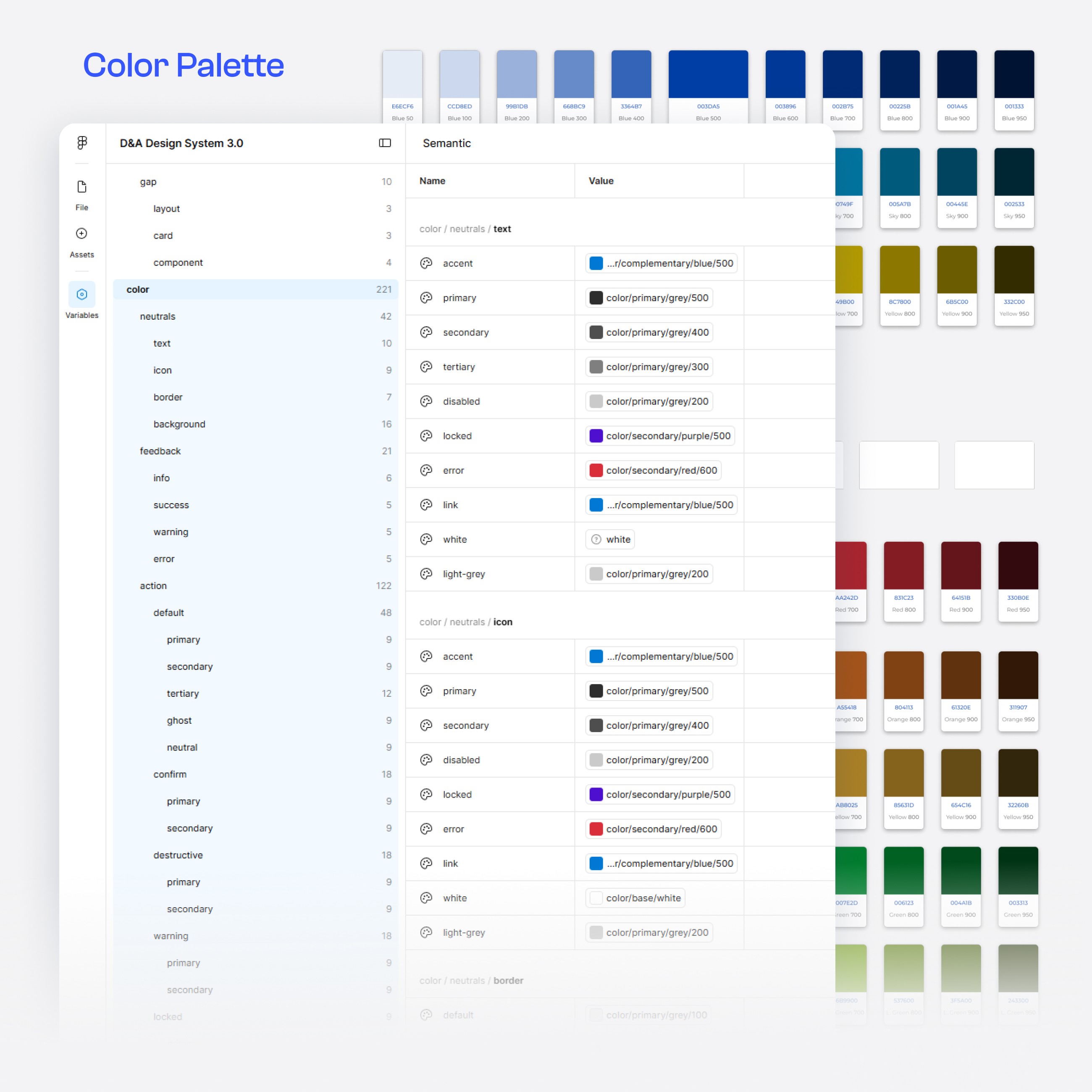
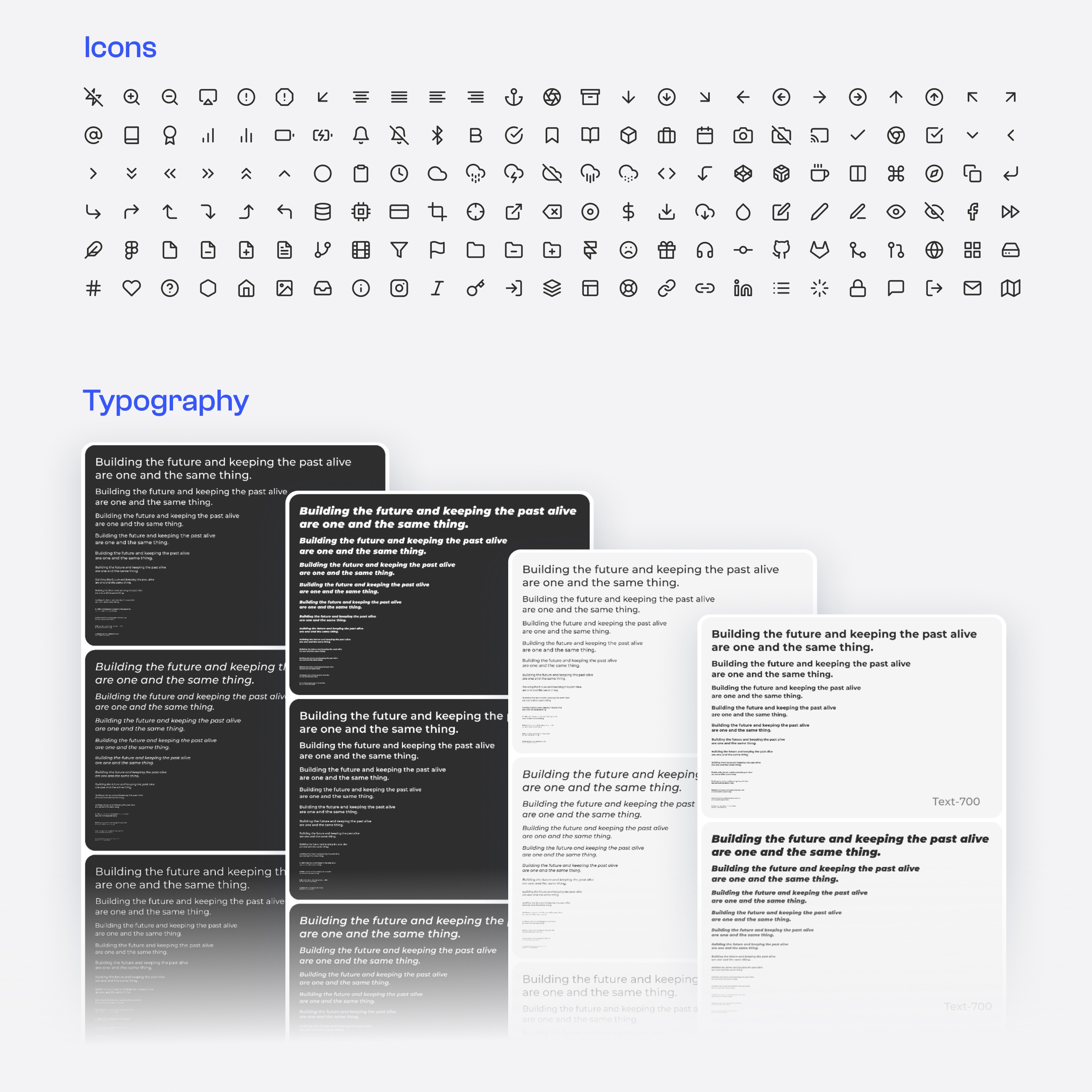
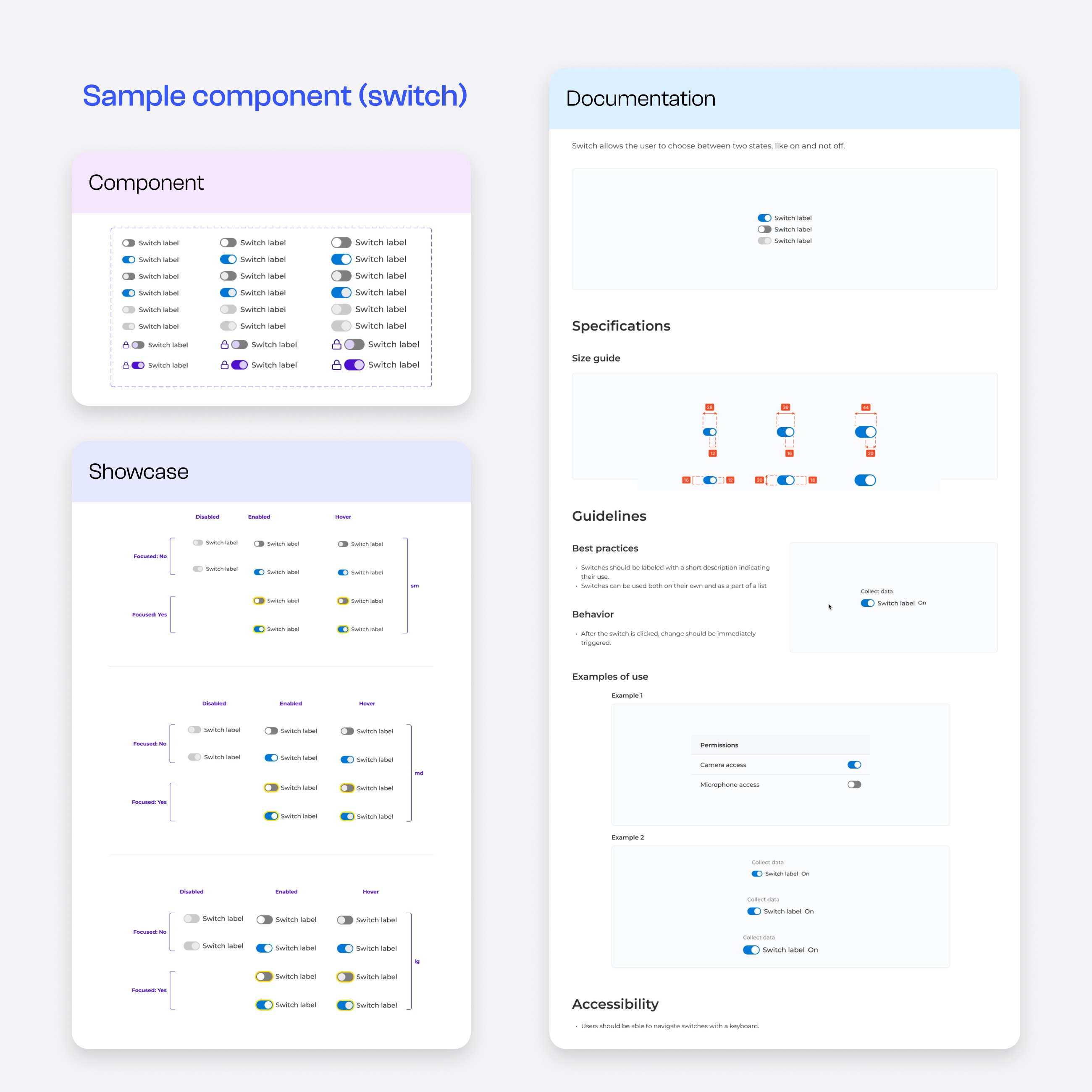
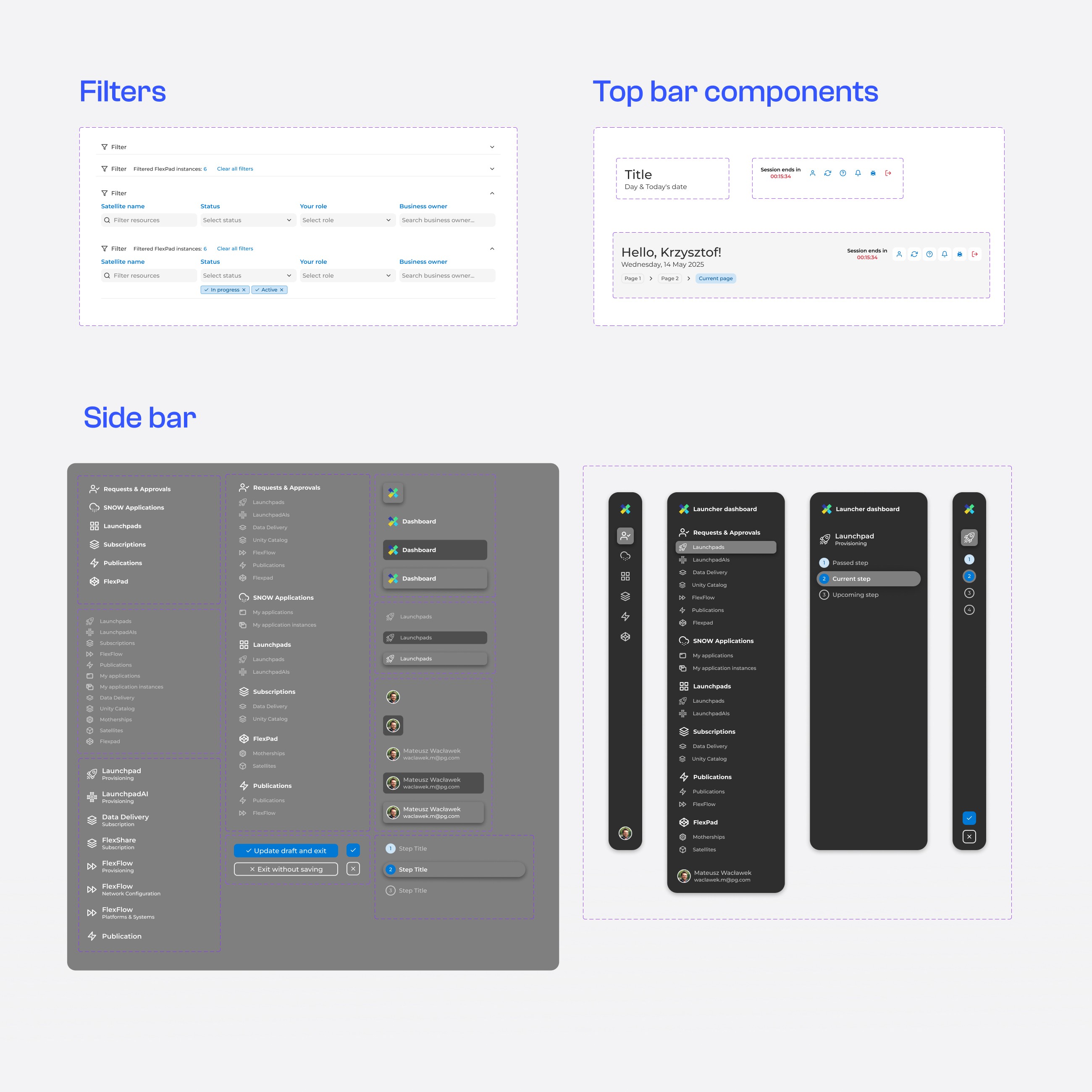
The process started with a comprehensive audit of the existing platform. Based on the findings, I designed and structured a scalable design system built around:
semantic design tokens,
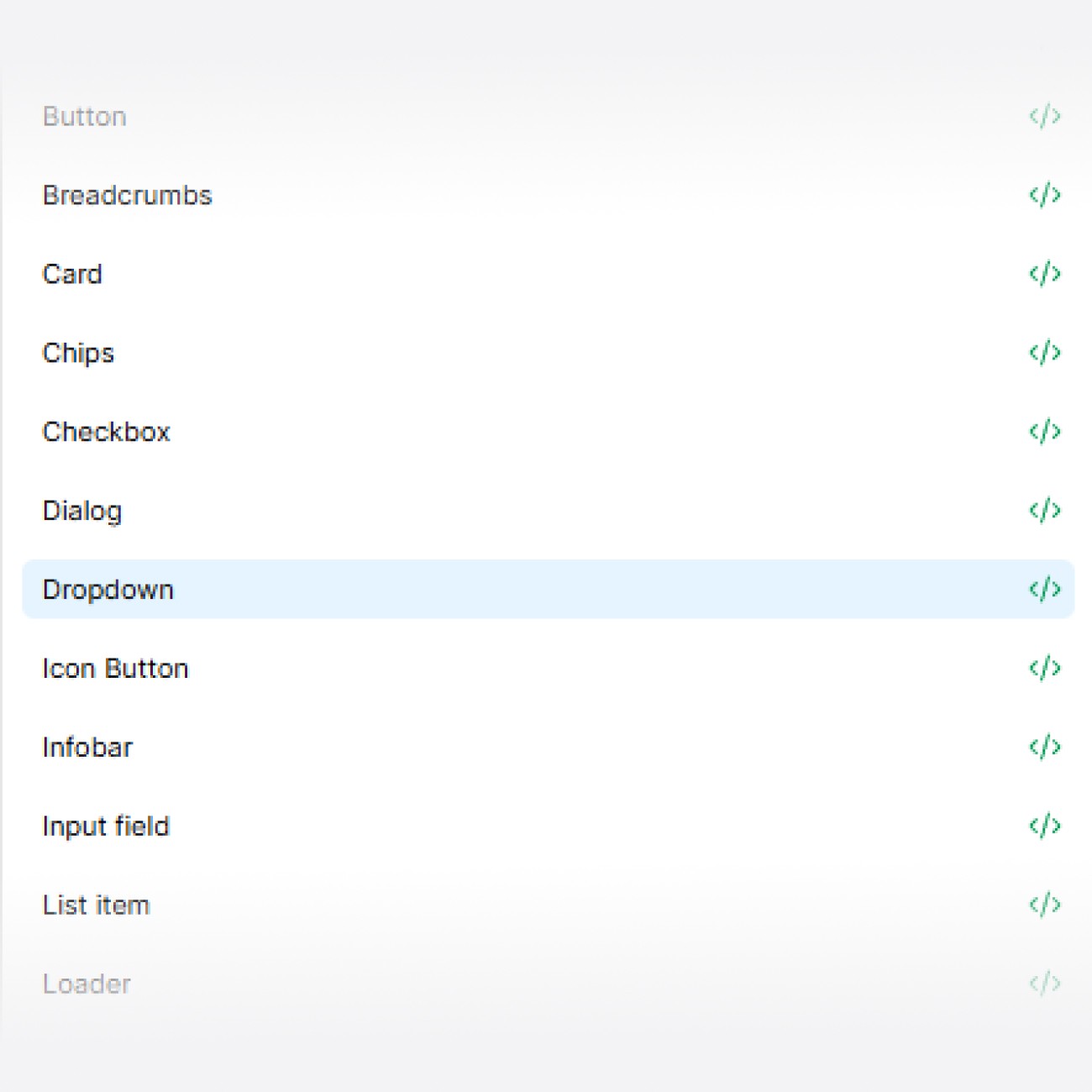
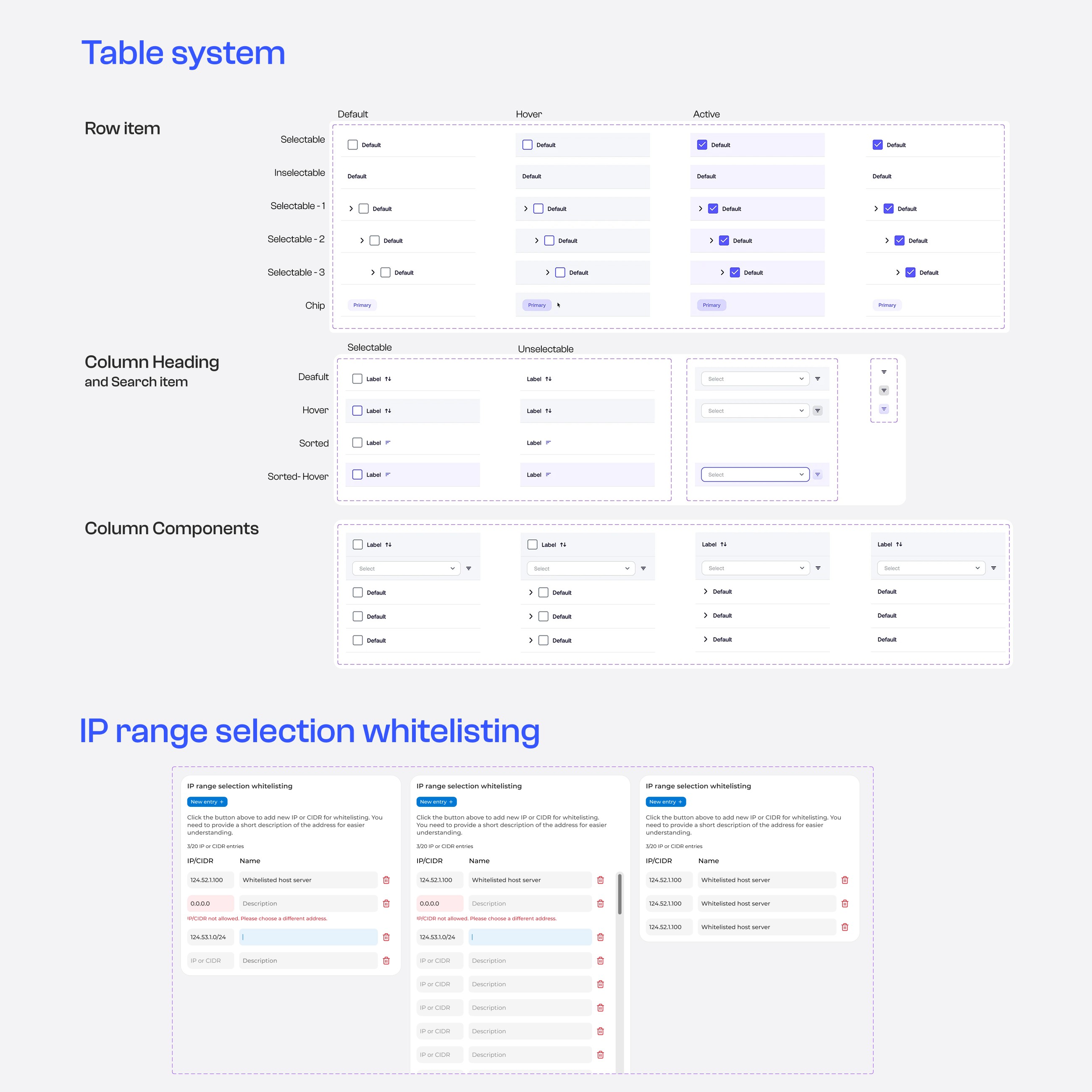
modular component architecture,
responsive layout principles,
accessibility-first interaction patterns,
and standardized behaviors for enterprise workflows.
Outcome
The final design system established a unified foundation for the Launcher platform and significantly improved design consistency across products and modules.
By introducing reusable components, tokenized foundations, and standardized interaction patterns, the system reduced UI fragmentation and created a more scalable workflow for future product development.
The outcome included:
a consistent visual language across the platform,
faster and more predictable design workflows,
improved collaboration between design and frontend teams,
reduced duplication of components and patterns,
clearer documentation and implementation standards,
and a stronger foundation for scaling future enterprise and AI-driven features.
The system also improved maintainability and enabled teams to build new experiences more efficiently while preserving consistency across increasingly complex product areas.